“How Comforted Ignorance Is Destroying Our Planet — And How You Can Change It”
“We do not destroy the Earth loudly — we exhaust it quietly through comfortable ignorance.”

The Silent Crisis of Modern Living
How everyday convenience, fast fashion habits, and silent neglect are quietly accelerating the global environmental crisis!
Human history has witnessed many threats — wars, pandemics, economic collapses, and natural disasters. These dangers arrive suddenly and demand immediate action.

However, today the world faces a different type of threat.
It is slow.
It is quiet.
It is comfortable.
And that is precisely why it is dangerous.
Across continents, societies are not destroying the planet through dramatic events. Instead, we are exhausting it through everyday convenience.
We understand that plastic pollutes oceans.
We understand that fashion creates waste.
We understand that climate change is real.
Yet we continue our habits unchanged.
This behavior can be described as comforted ignorance — the decision to choose ease over responsibility, even when the consequences are clear.
The planet is not collapsing overnight. It is being worn out gently, silently, through daily neglect.
What Is Comforted Ignorance ?
Comforted ignorance is not lack of education or information. Modern society is more informed than any generation before. News, research, and scientific reports are widely accessible. Yet awareness alone does not lead to action. Comforted ignorance means:
- Knowing the damage exists
- Understanding the consequences
- Still choosing convenience
It appears harmless on an individual level. But when billions of people behave the same way, the cumulative effect becomes global destruction.
Everyday Examples Across the World
Whether in New York, Tokyo, London, Dubai, or Mumbai, the patterns remain similar:
- Buying clothing for trends rather than need
- Using disposable packaging
- Throwing away repairable garments
- Over-ordering products online
- Preferring synthetic materials because they are cheaper
- Choosing fast consumption over durability
These actions seem small. But multiplied across populations, they create enormous environmental strain. Ignorance today is rarely accidental.
It is often comfortable.
The Planet Is Already Showing the Consequences
Environmental damage is no longer a future possibility. It is already visible worldwide. Scientific data confirms that our consumption habits are directly connected to planetary stress.


Global Environmental Statistics
Plastic
- 400+ million tons of plastic produced every year
- Over 11 million tons enter oceans annually
Textile Waste
- 92 million tons of clothing discarded yearly
- One truckload of garments dumped or burned every second
Water
- 2,700 liters of water for a single cotton shirt
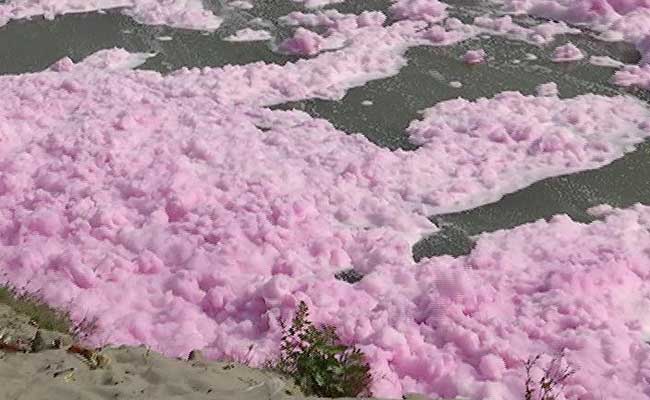
- Textile dyeing responsible for 20% of industrial water pollution
Carbon Emissions
- Fashion contributes 8–10% of global greenhouse gases
Microplastics
- Synthetic fibers release microplastics into rivers and oceans during washing
These impacts return to humanity as:
- Extreme heat waves
- Floods and rising sea levels
- Water shortages
- Poor air quality
- Health complications
Nature does not absorb unlimited damage.
It responds.
Fashion — Beauty With a Hidden Environmental Cost
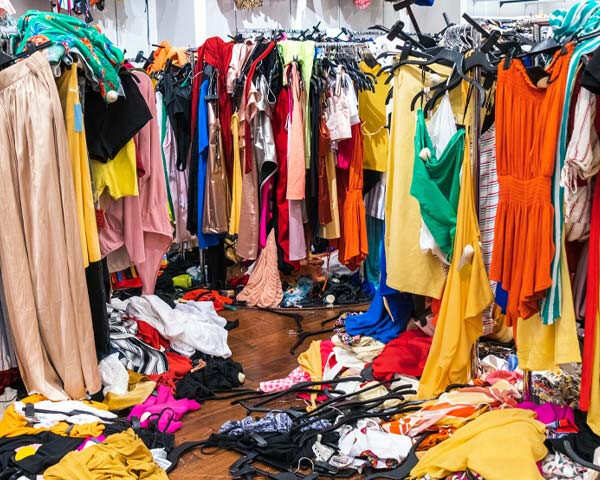

Fashion is one of humanity’s most expressive industries. It reflects culture, identity, and creativity. Yet behind this beauty lies a serious environmental cost. Today, fashion is among the top global polluters.
The Fast Fashion System
Fast fashion is built on:
- Rapid production
- Cheap materials
- Constant trends
- Short garment lifespan
Clothes are often worn only a few times before disposal. This creates:
- Massive landfill waste
- Chemical dye pollution
- Excessive water usage
- High carbon emissions
- Exploited labor
Low prices for consumers often hide high ecological costs.
The Sustainable Alternative
A responsible approach focuses on:
- Natural fibers
- Quality craftsmanship
- Timeless design
- Longer product life
- Repair and reuse
This model respects both the environment and the people involved in production.
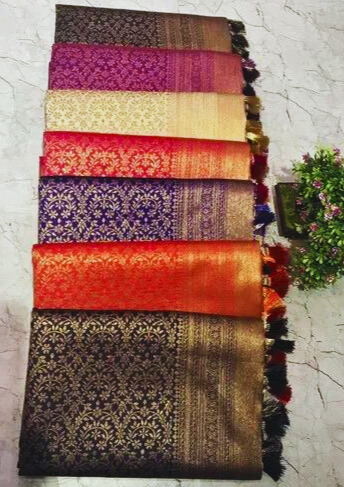
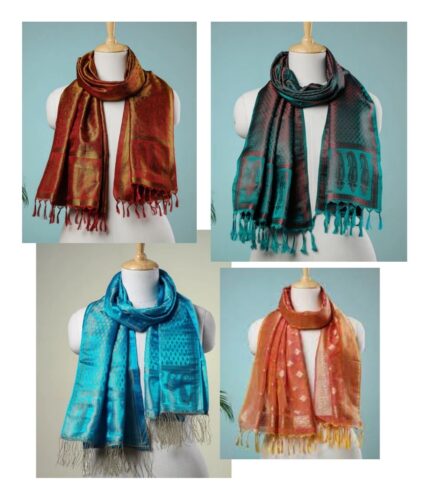
Traditional textiles around the world — including handwoven fabrics, cotton, linen, silk, and heritage garments — already follow these principles naturally.
In many ways, sustainability is not new.
It is a return to wisdom.
Why Convenience Continues to Win
If knowledge exists, why does behavior remain unchanged? Because convenience is powerful.


Key Psychological Reasons
Speed – People prefer quick solutions.
Cost Illusion
Cheaper products feel economical, despite environmental expense.
Habit – Consumption becomes routine.
Emotional Buying
Shopping provides temporary satisfaction.
Distance
Damage feels “somewhere else,” until disasters occur locally.
Comfort delays responsibility. But delay increases consequences.
A Global Shift — Rise of Conscious Living
Despite challenges, change is already happening. Across the world, consumers are becoming more aware.
People now ask:
- What materials are used?
- Who made this product?
- Is it ethical?
- How long will it last?
This marks the rise of conscious consumerism.


Emerging Global Trends
- Slow fashion
- Capsule wardrobes
- Second-hand markets
- Repair services
- Local artisans
- Eco packaging
- Transparent supply chains
Soon, sustainability will not be optional. It will be expected. Ignorance will look outdated.
Everyday Actions That Truly Matter
Environmental responsibility does not require extreme sacrifice. It requires consistent small changes.
Practical Daily Steps
- Carry reusable bags and bottles
- Avoid disposable plastics
- Buy fewer but better clothes
- Choose natural fabrics
- Repair damaged garments
- Donate instead of discarding
- Support ethical brands
Small actions × billions of people = large transformation. Sustainability is discipline, not difficulty.
Conscious Fashion Choices — Invest in Longevity
Consumers today are shifting from quantity to quality. Instead of buying ten low-quality garments, many prefer one durable, meaningful piece.
For readers seeking sustainable options, collections focused on pure fabrics, handloom craftsmanship, and long-lasting textiles offer better value and lower environmental impact.


Responsible Recycling & Donation
Before discarding clothing, consider reuse. Trusted organizations include:
- Goonj – https://goonj.org
- Fashion for Good – https://fashionforgood.com
- The Salvation Army – https://www.salvationarmy.org
- Green Worms – https://greenworms.org
Recycling extends product life and reduces landfill waste.
Conclusion — Responsibility Is the New Luxury
Comforted ignorance feels easy today. But it quietly damages tomorrow.
The planet does not require perfection. It requires participation.
Every purchase is a decision.
Every habit is a vote.
If we choose awareness, we protect the future.
If we choose convenience alone, we exhaust it.
True comfort is not excess.
It is balance !
And the future of fashion — and life — belongs to those who act responsibly today !

“Discover how “Fast Fashion Impacts Our Planet,” your wardrobe, and future generations — and learn simple, conscious choices that transform everyday shopping into sustainable, responsible, and meaningful living.”
Bookmark us and keep following for more interesting talks..